

Eugene and Springfield Shared Mobility Program Version 2.0
Date Created:
July 2025
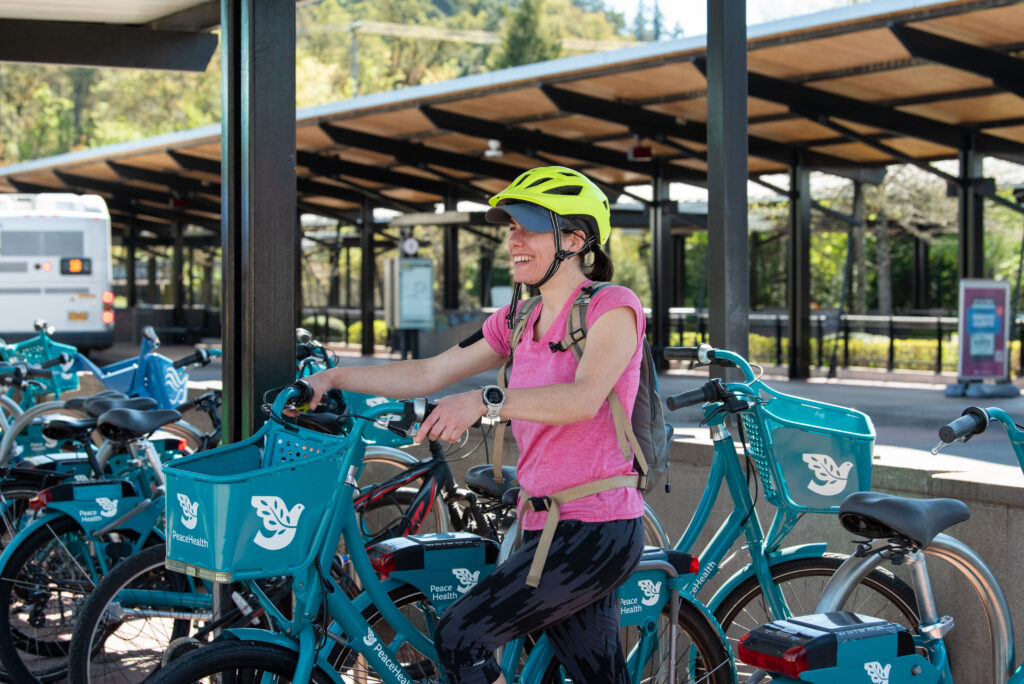
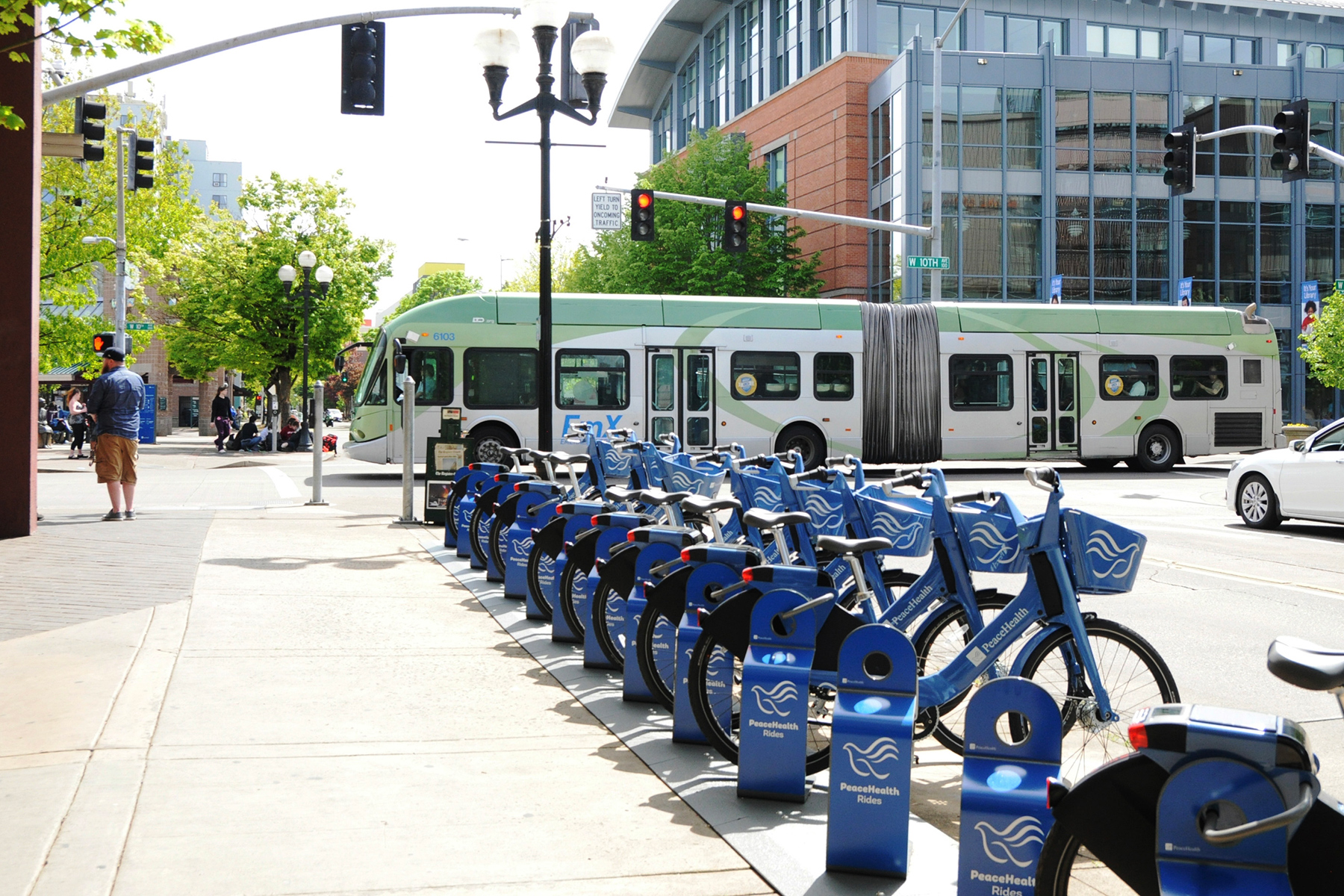
The Eugene-Springfield Shared Mobility Program: Version 2.0 project is a regional project with support from the Shared Mobility Work Group (SMWG) including Lane Transit District (LTD), the City of Eugene, the City of Springfield, Lane Council of Governments, the University of Oregon, the Eugene Water and Electric Board (EWEB), and Cascadia Mobility. The goal of the project is to develop a detailed plan to expand and modernize bike share as a seamless extension of public transit in Eugene and Springfield.
Building on the success of the existing regional bike share program, the project is also exploring a shared micromobility system that is integrated with LTD’s fixed route bus and EmX services. By studying the future of shared micromobility, the project will identify fleet expansion, assess electrification options, and explore LTD’s role in the micromobility system as the regional mobility manager. The project is funded by the Oregon Department of Transportation and is being completed by Toole Design.
What will this project do?
The Eugene and Springfield Shared Mobility Program: Version 2.0 project is laying the groundwork for the next generation of the regional bike share system. Toole Design is developing the study for the Shared Mobility Work Group (SMWG) partners including Lane Transit District (LTD), the City of Eugene, the City of Springfield, Lane Council of Governments, the University of Oregon, the Eugene Water and Electric Board (EWEB), and Cascadia Mobility.
This project will study:
- The potential for single-brand shared micromobility to improve access and equity
- Opportunities for integrating shared micromobility with existing public transit services
- Potential program management and governance models
- The micromobility service area expansion and fleet size
- Fleet electrification, including potential sites for in-field device charging
- Equipment needs, implementation planning (including public engagement), and projected costs/revenues
Continuing the success of today’s bike share program, this project will lead to a modernization and expansion of shared micromobility to better connect people to LTD services. Results from this project will inform LTD’s role in micromobility and how LTD invests resources going forward.
Budget
This project is funded by an Innovative Mobility Program grant from the Oregon Department of Transportation. As a key partner, LTD is contributing to the project by dedicating staff time and serving in a technical advisory role.
Outcomes & Community Impact
This project will lay the groundwork for the next generation of the regional bike share system. Expected benefits include:
- An upgraded bike share system
- Opportunities to integrate shared micromobility with existing public transit services
- An expanded bike share service area
- Fleet electrification
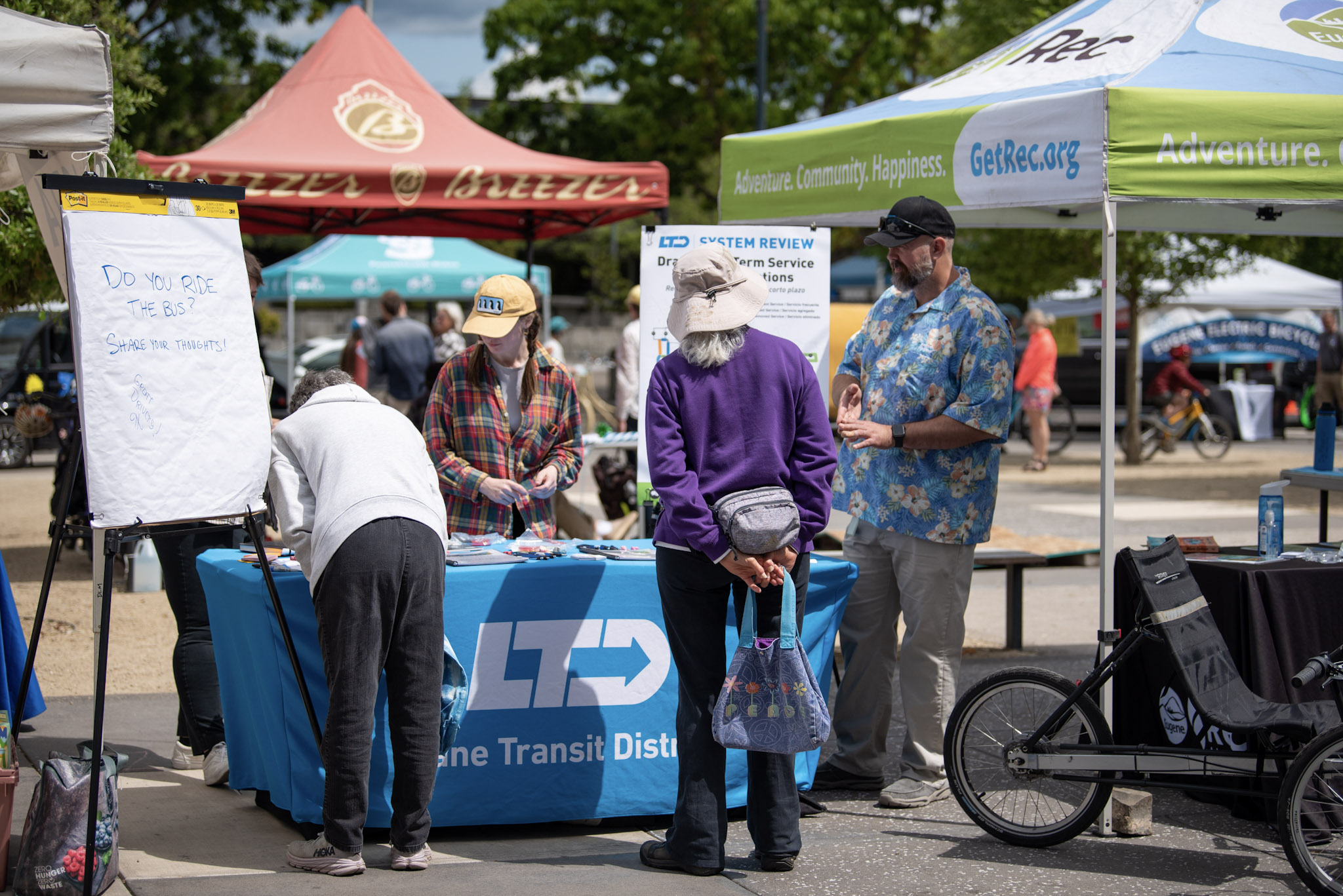
Tell Us What You Think
Opportunities for public feedback will be posted here once available.
What We Heard
This section will summarize public and stakeholder feedback once outreach begins.
Stay Informed & Involved
Check back here or visit PeaceHealthRides.com for updates.
Status Updates
Current Status: Updates will be posted as the project progresses.
- Fall 2025: Hired consultant, project begins
- Winter – Summer 2026: Shared Micromobility Assessment
- Summer – Fall 2026: Implementation Assessment
What is Shared Micromobility?
Shared micromobility is a fleet of individual vehicles, such as bikes or scooters, that are available for short-term rental through a phone app. They can be human-powered or electric-powered.
For more information about shared micromobility, visit the North America Bikeshare and Scooter Share Association (NABSA) .
LTD’s Role in Shared Micromobility
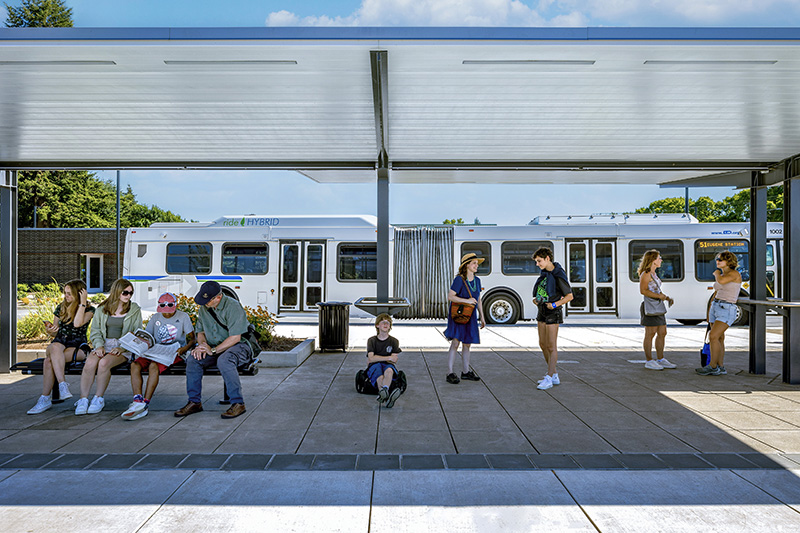
Shared micromobility is another travel option for people to access LTD’s bus service. According to the NABSA 2024 State of the Industry Report , 74% of shared micromobility riders report that they use it to connect to transit.
LTD has a long history of supporting the regional bikeshare system, including:
- Contributing funds to the original Eugene shared micromobility feasibility study in 2014
- Financially supporting operational costs alongside local and regional partners
- Ongoing coordination with Cascadia Mobility, the Cities of Eugene and Springfield, University of Oregon, and other key regional partners through the Shared Mobility Work Group
- Co-locating bikeshare stations at the Downtown Eugene and Springfield Stations
Additionally, strengthening LTD’s role in shared micromobility is one way LTD is implementing the Mobility Management Strategy to better meet the region’s transportation needs. By coordinating micromobility and transit, this project helps create a transportation system that works better for more people.
Bike Share Today
To learn more about our region’s current program, visit PeaceHealth Rides or follow on Facebook and Instagram . Download the PeaceHealth Rides app to sign up, rent, and ride.
Related Documents & Board Actions


Kerry Aszklar Planning & Development Associate
Phone: 541-682-6212
Email: Kerry.Aszklar@LTD.org
Shane Rhodes, TDM-CP Transportation Options Program Manager, City of Eugene
Phone: 541-682-5094
Email: SRhodes@eugene-or.gov